Ten primary schools across four Eastern Caribbean countries are moving closer to establishing and strengthening ecological school gardens following a regional implementation mission led by the Saint Vincent and the Grenadines Zero Hunger Trust Fund.
The EU-CaN Cultivating Futures: Empowering Youths for a Food Secure Region Project mission commenced in Saint Vincent and the Grenadines on 9 September 2026, before continuing to Saint Lucia, Dominica and Grenada. It marked a critical transition from project planning to field implementation, bringing the Project Team directly into schools and communities to assess conditions, engage stakeholders and determine the practical support required at each participating site.
The project is led by the Saint Vincent and the Grenadines Zero Hunger Trust Fund and is designed to strengthen food security, child nutrition and climate resilience through ecological school gardens linked to school feeding programmes. It also promotes practical agricultural and nutrition education, student participation and stronger school-community partnerships.
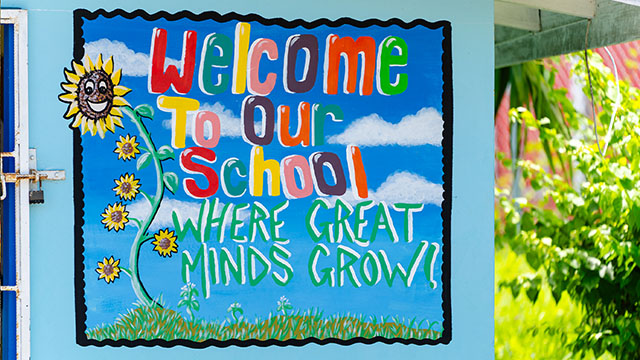
Turning Schools into Living Classrooms
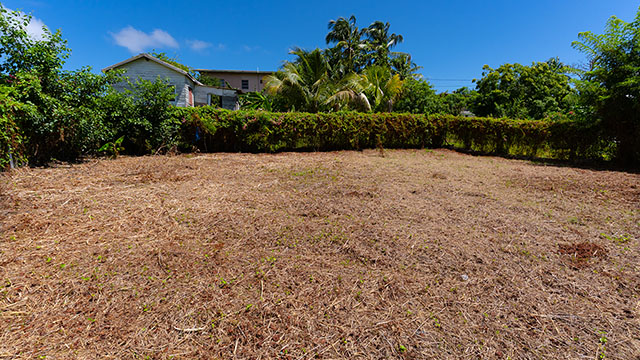
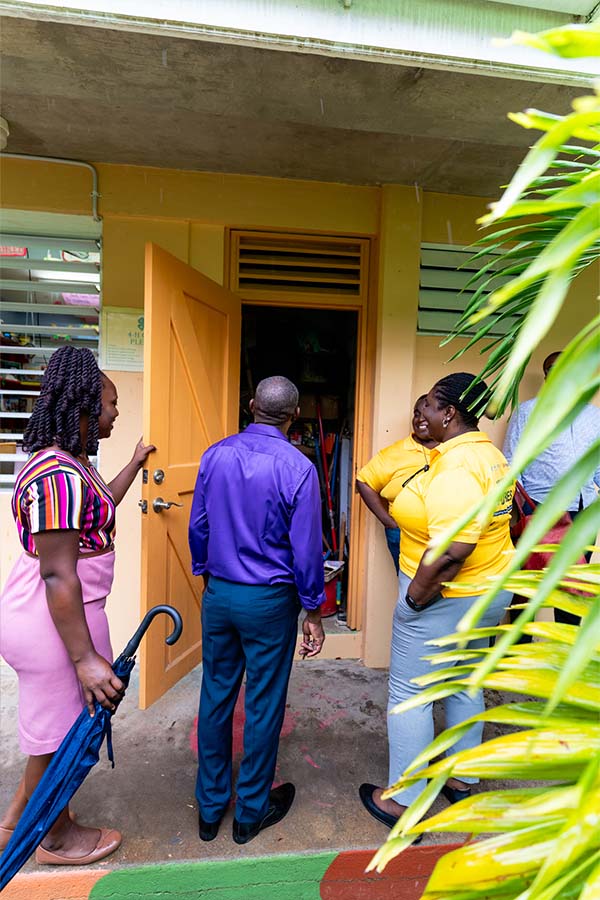
The mission focused on more than identifying spaces for gardens. Technical assessments examined the conditions needed to establish safe, productive and sustainable ecological gardens, including land availability, soil conditions, water access, drainage, security, existing infrastructure and operational readiness.
The assessments will guide school-specific garden designs, crop planning, irrigation and water-management solutions, composting systems, fencing and other infrastructure, procurement requirements, training activities and implementation schedules. The process also examined how each garden can support nutrition education, practical learning and the integration of fresh produce into school meals through the project’s Garden-to-Lunch approach.
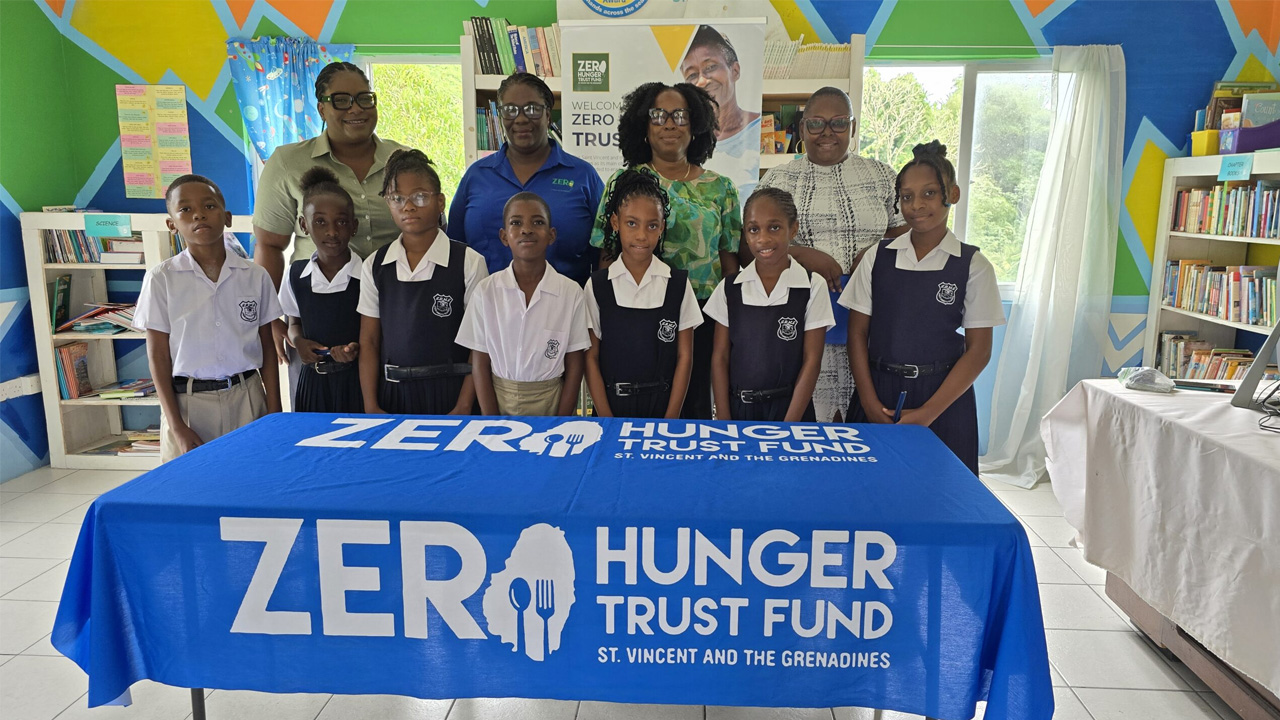
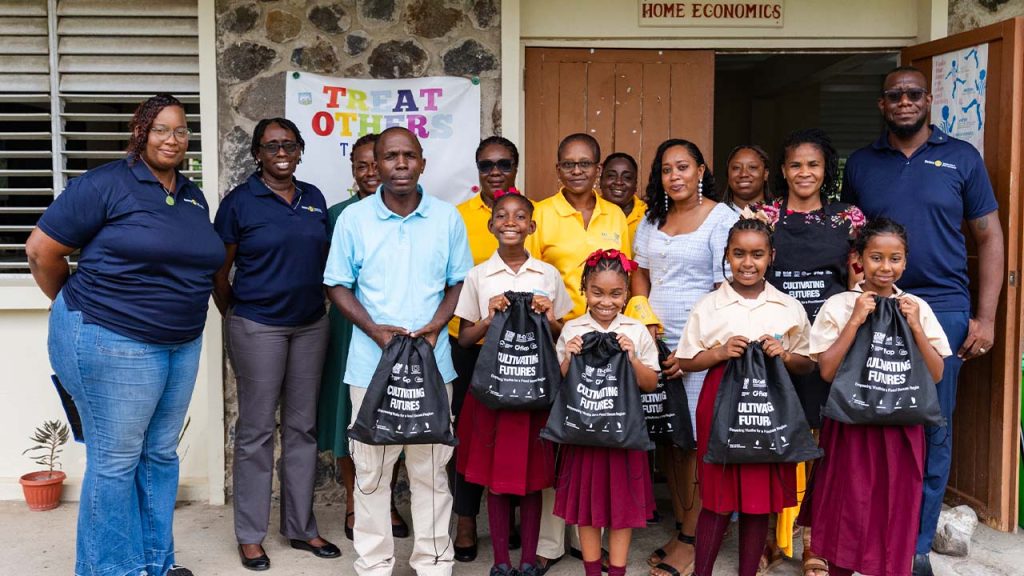
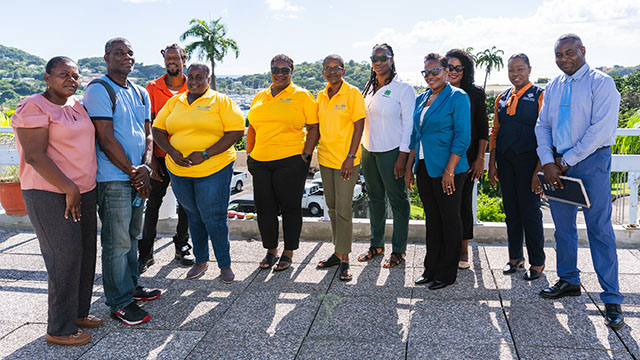
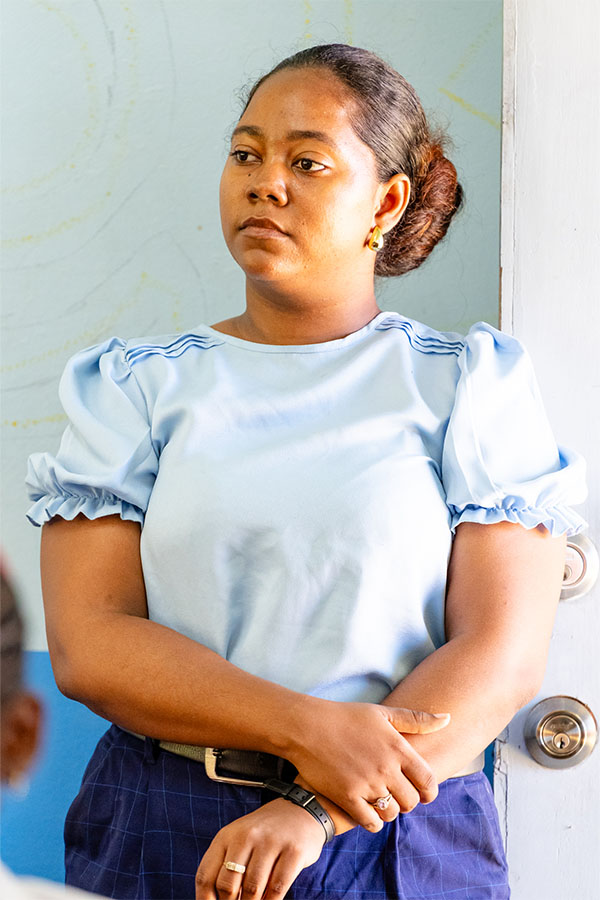
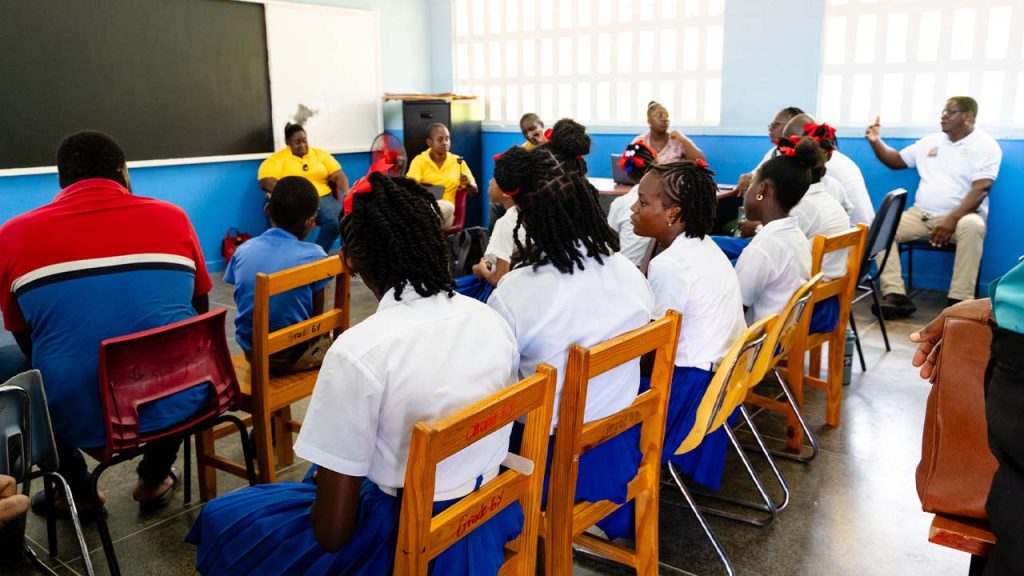
The mission brought together school principals, teachers, focal points, school feeding personnel, students, government representatives, National Coordinating Facilitators and other national partners. These engagements helped to clarify implementation responsibilities, identify country- and school-specific challenges, and strengthen national ownership of the project.
Ten Schools Growing One Regional Vision
The project is supporting the following ten primary schools:
Saint Vincent and the Grenadines
Bequia Anglican Primary and Early Childhood Centre
Calliaqua Anglican School
Chateaubelair Methodist School
Saint Lucia
Augier Combined School
Ciceron R.C. Combined School
Grenada
Paraclete Government School
River Sallee Government School
St. Martin de Porres Catholic School
Dominica
Soufriere Primary School
Bagatelle Primary School


Together, the ten schools represent a shared regional commitment to building healthier, more resilient school food systems. The gardens are intended to function as living classrooms where students can gain practical experience in food production, climate-smart and ecological practices, nutrition, teamwork, environmental stewardship and problem-solving.
Through the Garden-to-Lunch model, schools will be encouraged to connect what is produced in their gardens with their school feeding programmes, where feasible and in accordance with food-safety requirements. The wider project will also provide capacity-building support for teachers, cooks, administrators, school focal points and other school actors in areas such as ecological gardening, soil health, composting, crop planning, water conservation, food safety, nutrition and garden record-keeping.
From Regional Planning to School-Level Action
The September mission builds on the project’s regional launch, held on 16 July 2026 through The University of the West Indies Global Campus network. The hybrid launch connected stakeholders in Saint Vincent and the Grenadines, Dominica, Grenada and Saint Lucia and formally introduced the participating schools to regional partners and the public.
The mission was designed as an implementation-readiness exercise rather than a ceremonial visit. Its purpose was to secure the technical, operational, stakeholder, monitoring and procurement information needed to move responsibly into garden establishment, training and school-level delivery.
The resulting assessment information will inform the next stage of implementation, including:
- finalisation of school-specific ecological garden designs;
- development of technical specifications and procurement requirements;
- mobilisation and technical onboarding of Farm Assistants;
- preparation of training and capacity-building activities;
- completion of baseline and monitoring arrangements;
- strengthening of school feeding and Garden-to-Lunch linkages; and
- agreement on country- and school-level responsibilities, actions and implementation timelines.
A Regional Response to Shared Food-System Challenges
Small Island Developing States across the Caribbean continue to face common challenges, including dependence on imported food, rising food costs, climate-related pressures on agriculture and increasing demands on school feeding systems.
Cultivating Futures responds by placing schools at the centre of practical, locally grounded solutions. By connecting food production, nutrition education, climate resilience and community participation, the initiative seeks to help young people understand not only how food is grown, but how healthier and more sustainable food systems can be built.
The mission therefore represents more than preparation for ten school gardens. It is an investment in children’s knowledge, healthier school communities and a new generation of Caribbean food-security champions.
As implementation advances, the Saint Vincent and the Grenadines Zero Hunger Trust Fund will continue working with participating governments, schools, national partners, families and communities to translate the mission’s findings into safe, productive and sustainable school garden interventions across all four countries.
About the EU-CaN Cultivating Futures Project
The EU-CaN Cultivating Futures: Empowering Youths for a Food Secure Region Project is a regional initiative implemented across Saint Vincent and the Grenadines, Saint Lucia, Dominica and Grenada.
The project supports ten selected primary schools to establish or strengthen ecological school gardens, promote nutrition education, expand practical student learning, build climate resilience and improve connections between locally grown produce and school feeding programmes.
About the Saint Vincent and the Grenadines Zero Hunger Trust Fund
The Saint Vincent and the Grenadines Zero Hunger Trust Fund is the lead implementing agency for the Cultivating Futures Project. The Fund works to strengthen food and nutrition security through programmes and partnerships focused on school feeding, social protection, sustainable agriculture, climate resilience, community development and youth empowerment.
- By Zero Hunger
- EU-CaN, Hunger, News, OnFocus, Sustainability