EU-CaN
Cultivating Futures:
Empowering Youths for a Food Secure Region
Building resilient school gardens, healthier meals, and youth leadership across the Eastern Caribbean.
The Cultivating Futures project is a regional initiative led by the Saint Vincent and the Grenadines Zero Hunger Trust Fund, to strengthen food security, nutrition education, climate resilience, and youth
engagement through ecological school gardens in Saint Vincent and the Grenadines, Saint Lucia, Grenada, and Dominica. This project is funded by the European Union through the EU-CAN facility.

PROJECT SNAPSHOT
PROJECT
EUCaN - Cultivating Futures: Empowering Youths for a Food Secure Region
COUNTRIES
Saint Vincent and the Grenadines, Saint Lucia, Grenada, Dominica
DURATION
18
months
FOCUS AREAS
School feeding, ecological gardens nutrition education, climate-smart agricuiture, youth empowerment
ABOUT THE PROJECT
The Windward Islands face shared challenges including food import dependence,climate shocks, rising food costs, and pressure on school feeding programmes to support vulnerable children. Schools remain one of the most important spaces for improving nutrition, bullding resilience, and shaping lifelong habits.
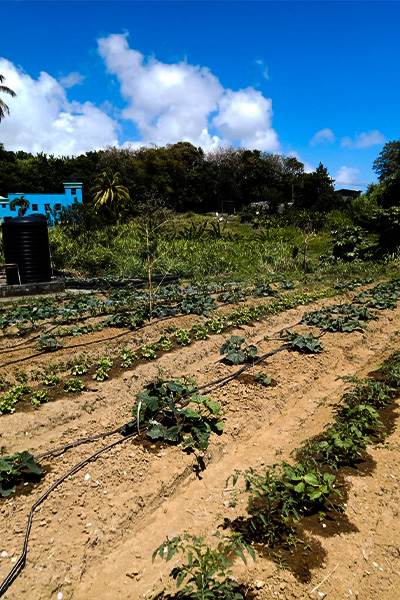
The Cultivating Futures project responds to these challenges by establishing and strengthening ecological school gardens in vulnerable communities. These gardens
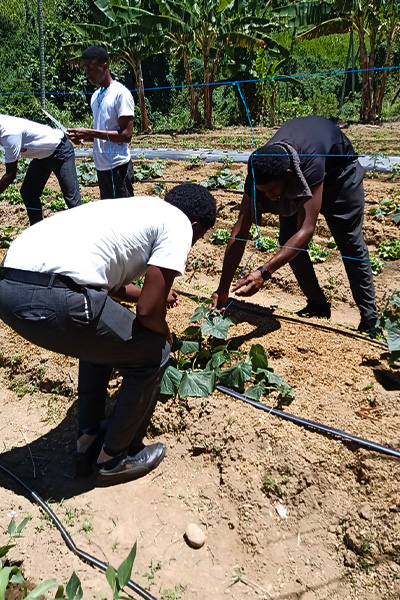
will serve as living classrooms where children leam about sustainable agriculture,
nutrition, teamwork, environmental stewardship, and food systems.
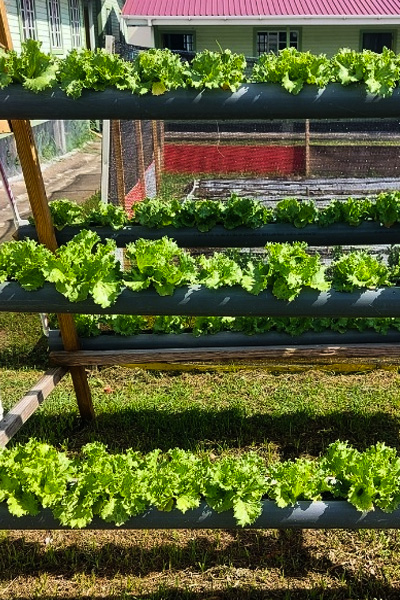
By linking school gardens directly to school meals, the project promotes a practical “garden-to-lunch” model that improves access to fresh, locally grown produce
supporting more resilient and sustainable school feeding systems.

St. Vincent & the Grenadines
NCF

Dominica
NCF


OBJECTIVES
01
Improve equitable access to nutritionally adequate and healthy diets in schools.
02
Enhance students’ interest in agriculture through practical, garden-based learning.
03
Strengthen school capacity to integrate agriculture, nutrition, and climate education.
04
Promote regional learning and cooperation around resilient school feeding models.
Key Components
1
Ecological School Gardens
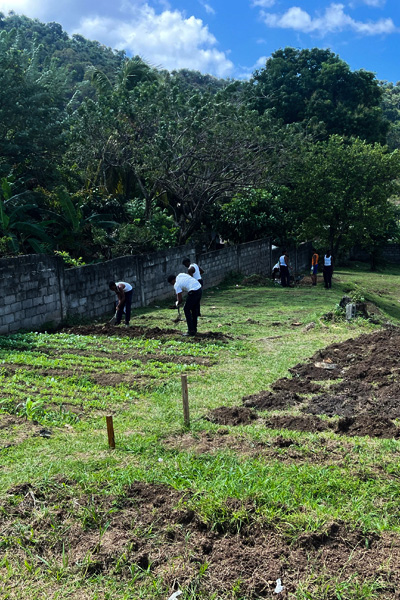
Schools will receive support to establish or strengthen ecological school gardens, while students engage in hands-on activities such as planting, composting, harvesting, nutrition demonstrations, environmental projects, and entrepreneurship activities that promote healthy eating and sustainability.
2
Training and Capacity Building
Teachers, cooks, administrators, and school actors will receive training in:
- Climate-smart agriculture
- Garden management
- Composting and soil health
- Rainwater harvesting
- Nutrition and healthy meal planning
- Safe food handling
- Garden record-keeping
- Curriculum integration
3
Garden-to-Lunch Integration
Schools will receive support to establish or strengthen ecological school gardens, while students engage in hands-on activities such as planting, composting, harvesting, nutrition demonstrations, environmental projects, and entrepreneurship activities that promote healthy eating and sustainability.
4
School and Community Discussions
Schools will host discussions and activities with children, parents, teachers, cooks, and community members on healthy diets, local food, climate resilience, home gardening, and the role of youth in achieving Zero Hunger.
Expected results
GARDENS
10
Ecological school gardens established or enhanced
CAPACITY BUILDING
60+
Teachers, cooks, and school actors trained
BENEFICIARIES
1600+
Children reached
Who Benefits
Children
The project directly benefits primary school children by improving access to fresh food, hands-on learning, and nutrition awareness.
Schools
Schools benefit through improved garden infrastructure, trained staff, stronger curriculum integration, and more sustainable school feeding systems.
Parents and households
Parents and households benefit through increased awareness of healthy local foods, home gardening, and cost-saving nutrition practices.
Governments and development partners
Governments and development partners benefit from a replicable regional model for school feeding, youth engagement, and climate-resilient food systems.
Teachers and cooks
Teachers and cooks benefit through practical training and tools to connect gardens, classrooms, and kitchens.
Partners & Stakeholders
The project is led by the Saint Vincent and the Grenadines Zero Hunger Trust Fund, with national coordination support from partner organisations in participating countries.
Key stakeholders include:
- Ministries of Education, Agriculture, and Health
- Primary schools and Parent-Teacher Associations
- Community organisations and volunteers
- Agricultural suppliers and private sector partners
- Regional and international development partners
- Children and youth champions
Cross-Cutting Priorities
Climate change adaptation
Environmental sustainability
Gender equality and social inclusion
Digital documentation and innovation
Youth Empowerment
Nutrition and Health
Inclusive Education
Multi-stakeholder Partnerships
Why it Matters
Cultivating Futures positions schools as centres of learning, nutrition, resilience, and community action. It goes beyond planting gardens. It helps children understand where food comes from, how healthy diets are built, and why local food systems matter.
Through this project, the ZHTF and its partners are helping to grow a new generation of young food security champions across the Eastern Caribbean.